All articles
Comparisons · 4 min read · Sky Guard Team
GRP vs Single Ply Roofing — Which is Better?
Compare GRP fibreglass and single ply roofing side by side. Lifespan, flexibility, installation, warranty — why single ply wins on every metric.
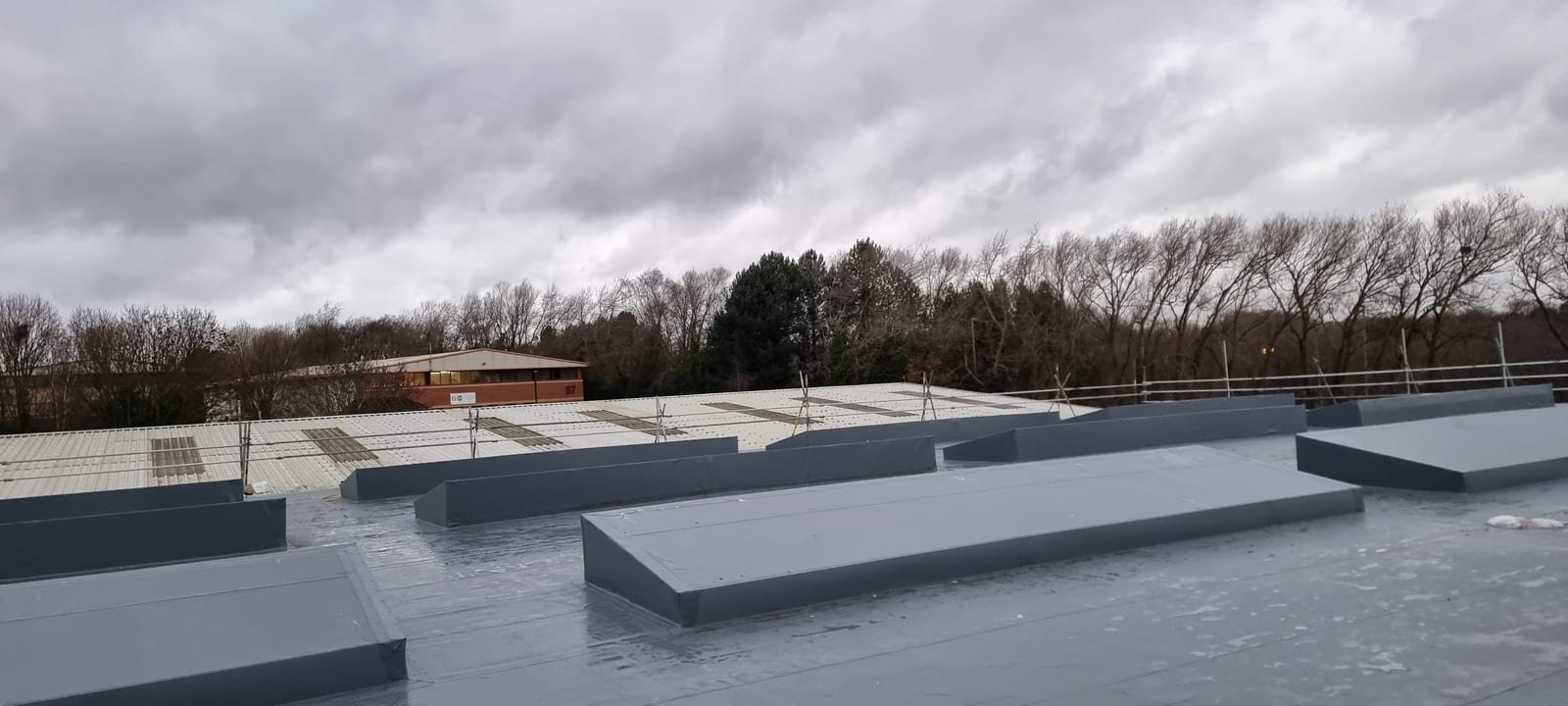
When homeowners think of flat roofs, many consider GRP (fibreglass) — but at Sky Guard, we recommend single ply roofing as the superior alternative. Here’s why.
GRP Roofing — the downsides
- Brittle and prone to cracking in extreme temperatures
- Requires multiple layers and topcoats to be applied on site
- Limited flexibility on larger areas — bigger roofs amplify the cracking problem
A GRP roof is essentially a rigid plastic shell. On day one it looks great. By year 10–15, most are cracked, leaking, or showing topcoat failure.
Single Ply Roofing — the modern alternative
- Lightweight yet extremely durable — ~1.5 kg/m²
- Heat-welded seams for a watertight finish — no glue, no resin, no failure points
- Quick installation with minimal disruption — most domestic roofs done in 2–4 days
- Backed by a 20-year manufacturer-backed warranty and a 40+ year membrane lifespan
That’s why single ply roofing is trusted by major stadiums (Wembley, the Emirates) and is now the standard for any flat roof project in Rotherham, Barnsley, Sheffield, and Doncaster — from a single garage to a 28,000 m² data centre.
Read more
- Why we don’t recommend GRP fibreglass flat roofs — the full breakdown
- Single Ply Roofing service guide — technical detail, build-up, manufacturer systems
- Get an instant estimate for your roof
Tagged
#grp
#single ply
#comparison
#flat roofing
Need a flat roof estimate?
60 seconds, no callback chasing. Just an honest price range.
Get my price